
Analytics Automation Services
Analytics Workflow Automation Services
A recurring analytical process often depends on several tasks finishing in the right order: sources arrive, preparation runs, checks pass and approved outputs are delivered. Macrofix designs analytics workflow automation around those dependencies. We scope run controls, safe retries, output validation and failure ownership so the process can be operated rather than simply scheduled.
Discuss Your Analytical Workflow Project
Coordinate Analytical Tasks With Clear Run Controls
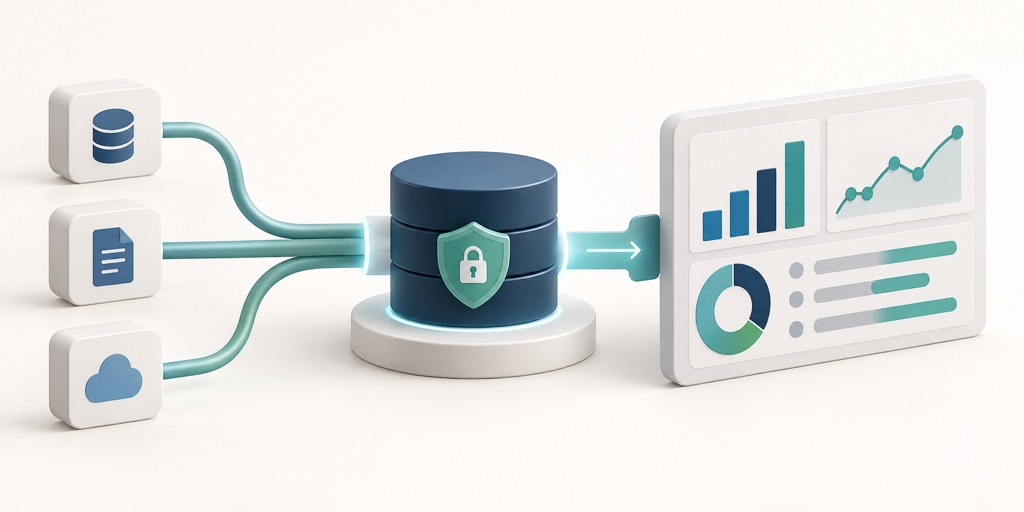
We begin with the execution path across your existing analytical tools and environments. A daily reporting feed, period-end reconciliation or recurring dataset refresh may need readiness checks, ordered tasks and an explicit publication gate. The design identifies what can run automatically and what still needs an operator or business approval.
This service focuses on workflow execution and orchestration. Wider preparation and analytical scope sit within analytics automation consulting; technology-specific development is available through Alteryx consulting. We do not assume a new orchestration platform is required.
Workflow Automation From Readiness to Recovery
Choose an execution assessment, focused orchestration rollout, recovery redesign or operating-runbook engagement. Deliverables can include task and dependency maps, readiness rules, schedules or triggers, retry behavior, output checks and deployment documentation. The proposal defines included workflows and environments. Source preparation, dashboard redesign, infrastructure subscriptions and recurring operations are separate unless stated.
Workflow Inventory and Execution Architecture
We inventory tasks, current execution mechanisms, runtime locations, output destinations and accountable owners. Architecture assessment reviews the available tools, permissions, capacity and deployment boundaries. A representative workflow establishes whether existing scheduling is sufficient or orchestration needs to change. Migration or platform replacement is proposed only when justified by the requirements.
- Task, runtime and owner inventory
- Existing schedules and orchestration mechanisms
- Output destinations and deployment boundaries
- Representative workflow and rollout priorities
Task Dependencies and Input Readiness
Dependency design records which inputs and upstream tasks must be ready before each step runs. We agree time windows, expected source versions and the route for missing, late or invalid inputs. Independent tasks may be separated from ordered tasks where supported. The design avoids treating an elapsed clock time as proof that upstream data is complete and suitable for use.
- Upstream task and input dependency map
- Expected source versions and readiness windows
- Missing, late and invalid-input paths
- Ordered and independent execution boundaries
Schedules, Triggers and Safe Reruns
We define the supported schedule or trigger, run identity, concurrency boundaries and recovery behavior. Retries and reruns must account for side effects such as record writes or report delivery. Apache Airflow workflow best practices provide one reference for repeatable task outcomes and avoiding duplicate results. The implementation is adapted to your chosen tools; instant event delivery and exactly-once behavior are not assumed.
- Schedules or supported triggers in scope
- Run identity and concurrency arrangements
- Retry and recovery decision rules
- Duplicate-write and delivery safeguards
Output Validation and Controlled Delivery
Output gates check the agreed completeness, reconciliation and destination requirements before publication. Delivery may involve an approved dataset, file, reporting refresh or notification, depending on scope. We identify the audience and distribution permissions separately from task execution. A successful job status is not sufficient evidence that its analytical output is correct or that every recipient should receive it.
Failure Visibility, Recovery and Handover
We define useful run evidence, failure alerts, escalation and an operator recovery route. The runbook distinguishes retryable errors from failures that need source correction or business review. Handover covers dependencies, approved recovery steps and change procedures. Monitoring and incident-response coverage require an explicit operating agreement; a delivered workflow is not automatically a continuously staffed service.
Agree Your Workflow Orchestration Blueprint
The blueprint defines task boundaries, dependencies, readiness checks, triggers, permitted side effects and output gates. It records runtime arrangements, connection ownership and deployment assumptions. We agree what happens on partial failure, rerun or late arrival before the workflow goes live. Environment administration, permissions changes and support coverage are explicit dependencies rather than hidden parts of a scheduling quote.
- Included tasks, runtimes and workflow boundaries
- Dependency and readiness requirements
- Schedule, trigger and concurrency design
- Output gates and approved destinations
- Partial-failure, retry and recovery behavior
- Validation, deployment and support boundaries
Assign Task, Output and Recovery Owners
Task owners maintain the included execution logic. Source owners approve input use and manage availability. Output owners approve acceptance criteria and distribution; administrators approve runtime access and environment changes. Operators own failure response and escalation. The handover records which recovery actions can be taken directly and which require further approval.
- Task and source owners manage execution and input changes.
- Output owners approve acceptance and distribution.
- Administrators approve runtime and environment changes.
- Operators own failed runs and approved recovery steps.
Our Analytics Workflow Automation Process
We map the execution path, agree readiness and output requirements, then implement a representative workflow in the selected environment. Tests exercise ordered runs, invalid inputs and relevant failure paths. Controlled release follows a review of rerun behavior, output evidence and operator recovery steps, with walkthroughs before wider rollout.
- Map the tasks, sources and delivery path.
- Agree readiness, dependencies and output gates.
- Implement a representative execution workflow.
- Test failures, reruns and side effects.
- Release with evidence, walkthroughs and recovery runbook.
Validate the Run Sequence, Outputs and Recovery
Acceptance reviews the intended runtime, not only a manually successful task. We test source readiness, dependency order, output checks and representative failures. Reruns are checked for unintended duplicate writes or deliveries; remaining side effects and manual approvals are documented. The operator should be able to identify a failed run and follow the approved recovery route before release.
- Readiness rules prevent premature execution
- Task order matches the agreed dependency design
- Output gates check scoped acceptance requirements
- Failure and rerun paths pass representative tests
- Operators, side effects and approval boundaries recorded
Analytics Workflow Automation FAQs
The agreed scope can include execution assessment, task and dependency mapping, readiness rules, scheduling or triggers, run controls, output validation, exception handling and handover. We identify the workflows, tasks and environments covered. Data preparation, dashboard development, platform migration and ongoing operations are separate unless explicitly included.
Not necessarily. We assess existing scheduling and workflow tools against the dependency, recovery, observability and deployment requirements. A focused improvement may be sufficient; a platform change requires a justified scope and compatibility assessment. No new subscription or replacement is assumed at the outset.
We review each task’s side effects and agree repeatable write or delivery behavior for the chosen destination. Tests exercise relevant reruns and partial failures, including duplicate-record or repeated-distribution risks. The solution depends on the systems in scope; retry settings alone do not guarantee exactly-once delivery.
Readiness rules can be designed for the supported environment, with expected inputs, time windows and exception routes. We agree whether a late source should delay execution, raise an alert or require review. A scheduled time is not treated as proof that the source data is ready.
Not by itself. Orchestration coordinates execution, while preparation and calculation rules need separate definition and validation. Output gates can detect agreed problems, but source remediation or analytical redesign must be included in the scope. A successful run status does not establish business correctness.
Only through an explicitly scoped operating arrangement. Delivery can include run evidence, alerts, recovery documentation and team handover, while ongoing coverage needs stated owners, hours and escalation responsibilities. We do not imply that a deployed schedule includes a continuously staffed support service.
Plan Your Workflow Automation Engagement
Tell us which analytical tasks must run together, where they execute and which failures cause missed or incorrect outputs. Include current schedules, source arrival windows, delivery destinations and recovery practices. We will shape an orchestration or run-control engagement with defined workflows, validation evidence and operating ownership.