
Data & Analytics Services
Cloud Data Platform Consulting
A cloud data platform should fit the workload, not simply move existing complexity into another environment. Macrofix scopes cloud data platform consulting around analytical needs, current investments, data boundaries and operating responsibilities. We assess platform fit, design the target architecture and deliver an agreed implementation or migration phase with validation, cost assumptions and handover made explicit.
Discuss Your Cloud Data Platform Project
Match Cloud Data Architecture to Your Workload
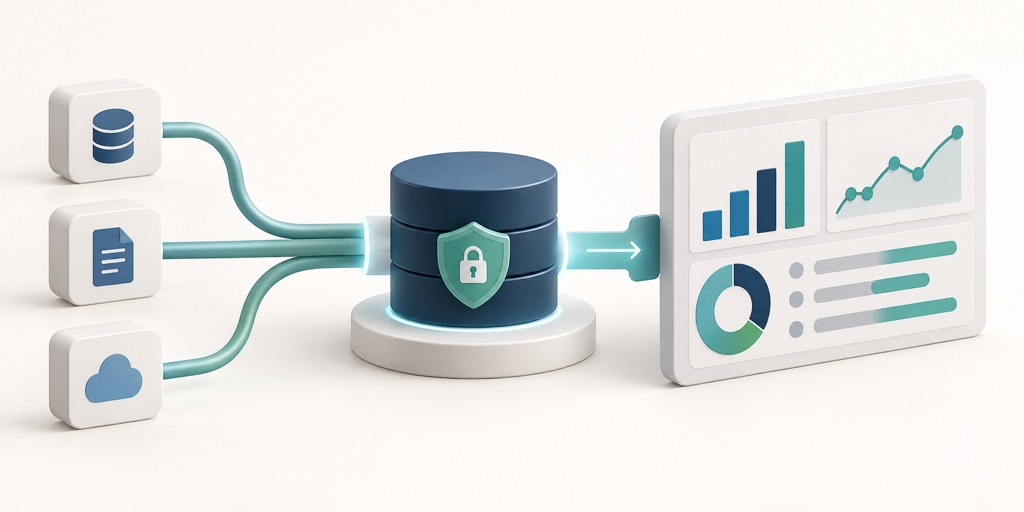
We begin with sources, consumers, processing patterns and the constraints of the current estate. The engagement can evaluate cloud options, improve an existing deployment or establish a bounded target platform. Requirements for freshness, history, data location, access and recovery shape the design. Cloud adoption is not assumed to remove source limitations or the need for accountable operation.
Business priorities can be clarified through data strategy consulting. Pipeline and dataset builds connect with data engineering services; the wider service family sits within data platform consulting.
Cloud Data Platform Services From Fit to Handover
Choose a workload and platform-fit assessment, target architecture, environment-readiness review or scoped implementation and migration phase. Deliverables can include option trade-offs, architecture decisions, agreed platform assets, validation evidence and run procedures. We identify accounts or tenants, environments, sources and consumers covered. Subscriptions, broader landing-zone changes, every downstream solution and recurring managed operations are separate unless included.
Workload Assessment and Platform Fit
Platform fit considers data types, processing patterns, queries, integration needs, skills and operating constraints. We compare options against agreed requirements and current investments rather than assume one store or vendor suits everything. Microsoft’s analytical data-store guidance is one example of workload-led selection. Proposed choices and unresolved questions are documented for stakeholder decisions, not treated as universal product recommendations.
- Workload, data-type and query requirements
- Current investments and platform options
- Skills, integration and operating constraints
- Trade-offs and unresolved selection decisions
Target Data Architecture and Integration Boundaries
Architecture records the source-to-consumer flow, storage and processing boundaries, environments, identity assumptions and data-location requirements. We identify approved integration routes, required history and the separation of raw and consumer-facing assets where relevant. Design decisions consider existing systems and organizational constraints. A target diagram does not prove connector compatibility, source readiness or that permissions and controls have been implemented.
- Source-to-consumer storage and processing flow
- Environment and integration boundaries
- History, identity and data-location assumptions
- Dependencies and source-readiness requirements
Environment Readiness and Controlled Implementation
Readiness checks identify the platform, network, identity, access and operational prerequisites for the agreed environment. Implementation delivers the scoped assets through approved change routes and documents their configuration. Security-sensitive access and policy changes require authorized decisions rather than being inferred from project scope. Broader tenant or landing-zone redesign, production exposure and unsupported integrations are separately assessed before delivery commitments.
- Scoped environment prerequisites and readiness
- Approved identity, access and network decisions
- Controlled asset deployment and configuration records
- Separate assessment of broader platform changes
Phased Migration and Data Validation
Migration planning identifies the datasets, processing logic, consumers and dependencies included in each phase. We agree mapping, reconciliation and representative workload tests, then define cutover and recovery boundaries. Parallel operation or staged transition may be appropriate where scoped. A pilot does not demonstrate every production dependency, and data movement alone does not preserve all application behavior, business rules or historical assumptions.
Cost, Recovery and Operating Handover
Operating design records usage assumptions, ownership, recovery needs, run procedures and the evidence required to review performance and cost. The Azure Well-Architected Framework is one reference for balancing reliability, security, cost, operations and performance for Azure workloads. We adapt reviews to the selected environment. Actual spend and service behavior depend on configuration and usage; recurring administration, monitoring and incident coverage require an explicit operating scope.
Agree Your Cloud Data Platform Blueprint
The blueprint records workload requirements, platform options and the selected architecture decisions. It defines sources, target assets, environments, consumers, access and data-location assumptions, migration phases and acceptance evidence. Cost and recovery assumptions are made visible alongside dependencies. We distinguish advisory design, pilot delivery and production release so untested areas and follow-on work remain clear.
- Workload requirements and platform-fit decisions
- Sources, stores, processing and analytical consumers
- Environment, access and data-location assumptions
- Migration phases and acceptance evidence
- Usage, cost and recovery assumptions
- Handover owners and ongoing-operation boundaries
Assign Cloud, Data and Workload Owners
Business and data owners approve intended use, definitions and acceptance priorities. Cloud and platform owners approve environment readiness and maintain their configuration responsibilities; engineering owners maintain processing assets. Authorized identity and security functions approve their boundaries. Workload and operating owners manage agreed usage, recovery and escalation responsibilities after handover. Provider responsibilities do not replace organizational accountability.
- Business and data owners approve intended use and acceptance.
- Cloud and platform owners maintain environment responsibilities.
- Engineering owners maintain agreed processing assets.
- Workload and operating owners manage usage, recovery and escalation.
Our Cloud Data Platform Delivery Process
We assess the workload and current environment, then review platform options and target architecture. Prerequisite decisions and approved change routes guide the implementation or migration phase. Validation checks data, representative workloads and operating behavior before release. Handover transfers the agreed assets, evidence and run responsibilities, with further environments and recurring coverage separately planned.
- Assess workloads, current platforms and constraints.
- Review options and agree target architecture decisions.
- Resolve prerequisites and deliver the approved scope.
- Validate data, representative workloads and operating behavior.
- Release and hand over assets, evidence and responsibilities.
Validate the Cloud Workload Before Release
Acceptance reviews whether the deployed scope satisfies its stated workload and data requirements. We check source-to-target reconciliation, representative queries or consumers, access boundaries, dependencies and recovery assumptions. Usage and cost assumptions are documented with unresolved risks and owners. A provisioned service or successful pilot is not proof of all-source readiness, guaranteed savings, compliance or production resilience.
- Delivered assets match the agreed workload scope
- Data and representative consumer results validated
- Access, environment and dependency boundaries reviewed
- Cost, recovery and unresolved risks documented
- Release and operating responsibilities accepted
Cloud Data Platform Consulting FAQs
The agreed scope can include workload assessment, platform-fit review, target architecture, environment readiness, implementation or phased migration, data validation and operating handover. We identify the accounts or tenants, environments, sources and consumers covered. Subscriptions, broader landing-zone changes, downstream builds and recurring operations are separate unless specified.
No. Selection depends on workload needs, data patterns, integration, skills, current investments and operating constraints. We document trade-offs and unresolved questions before stakeholder decisions. An existing, hybrid or cloud approach may be suitable; the engagement does not assume every organization needs the same vendor or data store.
No. Spend depends on service choices, configuration, data volumes, processing and query usage, movement costs and operating practices. We record assumptions and the evidence needed to review them. A platform assessment or migration does not guarantee savings, and subscriptions or usage charges require their own approved budget.
Not by itself. Identity, access, configuration, data use and organizational controls need explicit decisions and validation. Authorized security and governance functions remain responsible for their approvals. A deployed cloud service or provider feature does not certify the entire workload or replace required domain-specific review.
Only the agreed scope is assessed and validated. We identify data, logic, consumers and dependencies for each phase, with mapping, reconciliation and representative tests. Unreviewed areas and assumptions remain visible. Data transfer alone does not prove that every application behavior, business rule or historical requirement is preserved.
Only when explicitly scoped. Project handover can include architecture decisions, asset configuration, validation evidence and run procedures. Recurring administration, monitoring, optimization and incident coverage require defined services, coverage and owners. Continuously staffed operation is not included by default.
Plan Your Cloud Data Platform Engagement
Tell us which workloads and data assets you want the cloud platform to support, what is already deployed and what constraints matter. Include sources, consumers, target environments, freshness needs and known migration dependencies. We will shape an assessment or delivery phase with explicit architecture decisions, validation evidence and operating handover.